Exploring Mixed Media: Collage Techniques
Build layered, textured collages using found paper, paint, image transfers and stitching.
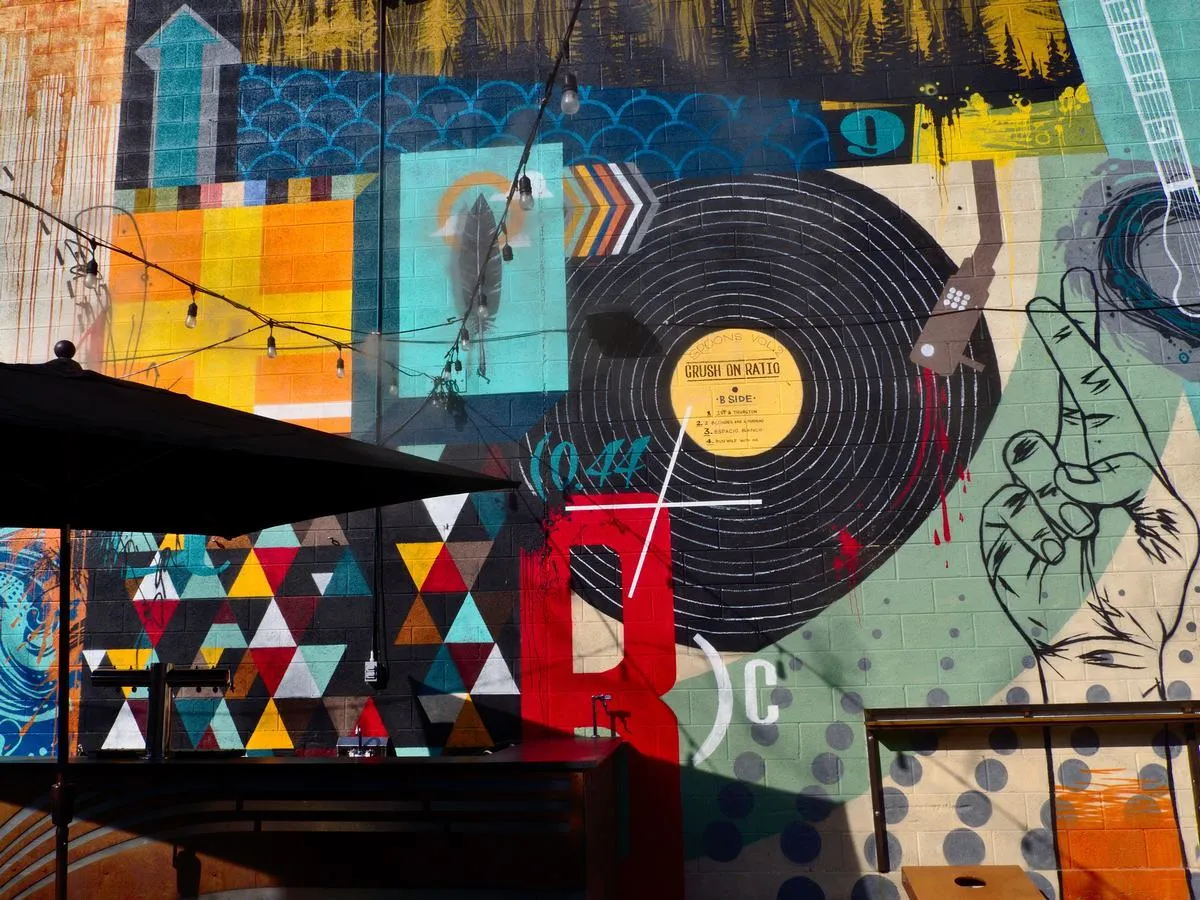
Collage is drawing with scissors. It’s a fast way to explore composition and colour, and a great antidote to blank-canvas paralysis, because you start with material that’s already interesting.
1. Gather a paper library
Spend a week collecting anything flat with an interesting colour, pattern or texture. Sort it loosely by colour into envelopes. Having a good library makes the creative part much faster.
2. Prepare the ground
Paint your substrate with a loose, uneven layer of acrylic, or glue down a sheet of tissue paper and let it wrinkle. A toned ground gives your collage warmth and depth that a white page can’t.
3. Compose before you glue
Cut or tear a selection of shapes and move them around without gluing. Try:
- One large shape, several medium ones, many small ones
- A limited palette of three colours plus a neutral
- Contrasting edges: torn edges feel soft and organic, cut edges feel graphic and sharp
Take a phone photo of each arrangement you like so you can compare them side by side.
4. Glue in layers
Brush gel medium onto the substrate, lay the paper down, then brush another thin coat over the top to seal it. Work from back to front: background shapes first, focal elements last. Press out bubbles with a brayer or the side of a credit card.
5. Try an image transfer
For a ghostly, layered effect:
- Take a toner-printed photocopy (inkjet won’t work).
- Coat the surface of your collage with gel medium and press the image face down.
- Let it dry completely, ideally overnight.
- Dampen the back and gently rub away the paper with your fingertip. The image stays behind, embedded in the medium.
6. Unify with paint and line
Collages can look busy. Pull yours together by:
- Glazing a thin, transparent wash of one colour over areas that feel disconnected
- Drawing back into the piece with oil pastel or marker to link shapes
- Adding a few hand stitches or lines of thread for texture
Keep going
Make a series of six small collages using the same paper library and a five-minute limit per piece. Speed keeps you intuitive. Then choose the strongest one and make a larger, more considered version. Bring the series to open studio. Collage is even more fun at a shared table.